

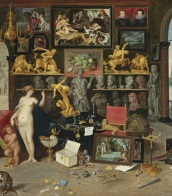
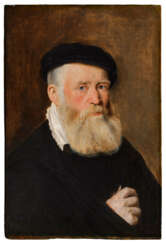
peter (van) de we(e)rth






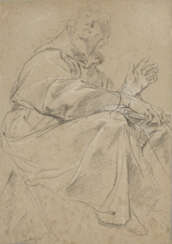

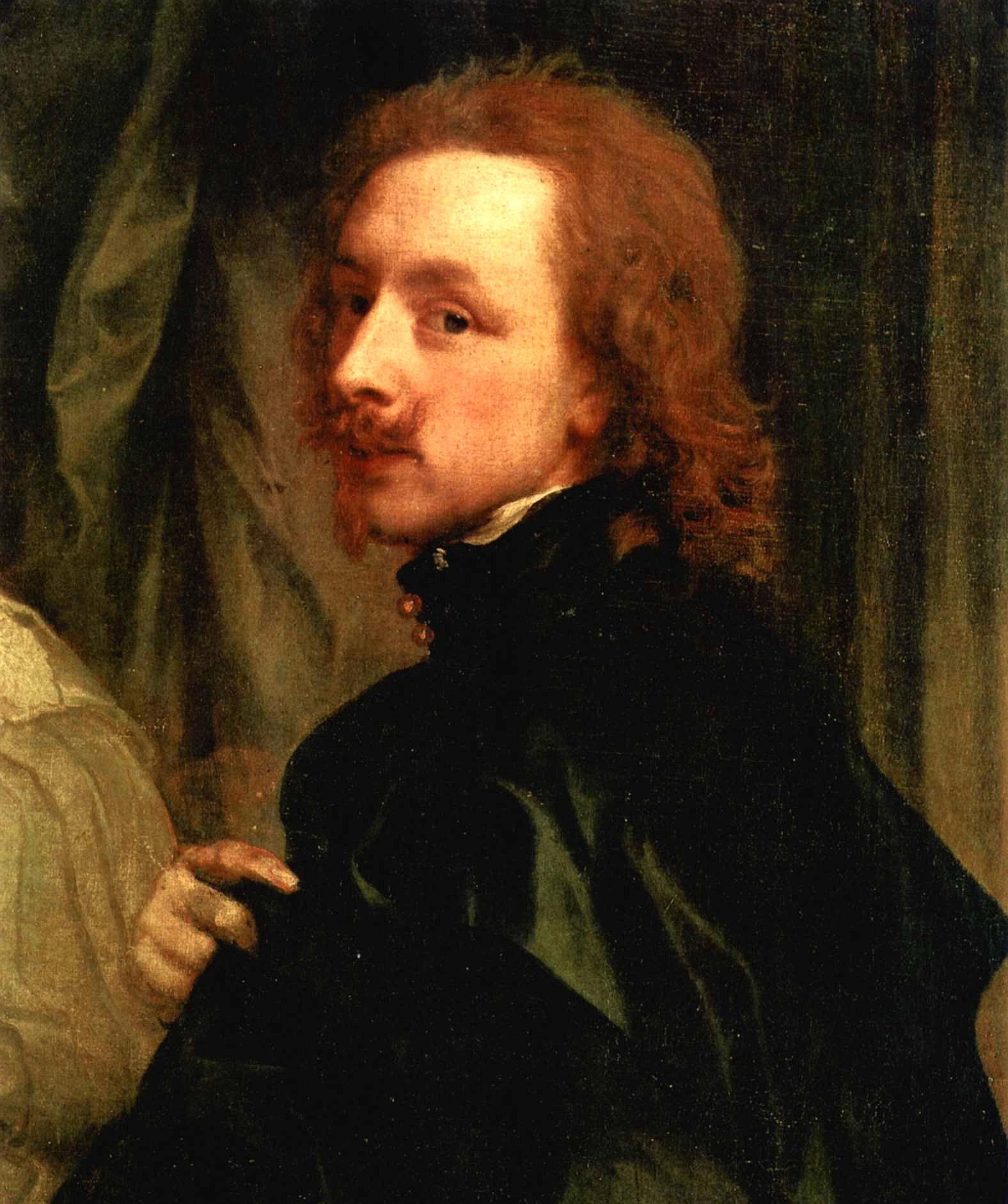
Anthony van Dyck, a Flemish painter born in 1599 in Antwerp and passed away in 1641 in London, is celebrated as one of the foremost Baroque painters of the 17th century. His notable contributions to the art world include his exceptional portraits of European aristocracy, as well as his religious and mythological paintings. Van Dyck's early exposure to art was influenced significantly by his apprenticeship with Hendrik van Balen and later, by the profound impact of working alongside Peter Paul Rubens. His mastery was recognized early on, leading him to set up his own workshop by the age of 15.
Van Dyck's journey to Italy in 1621 marked a pivotal phase in his career, allowing him to immerse himself in studying the Italian masters and commencing his successful stint as a portraitist. His style evolved under the influence of Titian, evident from his vibrant use of color and refined modeling of form. Van Dyck's Italian period not only honed his artistic skills but also established his reputation as a painter of consequence.
Upon returning to Antwerp, van Dyck's portraits became highly sought after, leading to commissions from notable figures such as Archduchess Isabella and Queen Mother Maria de' Medici. His role as a court painter further solidified in England under the patronage of King Charles I, where he was knighted and appointed as the principal painter, profoundly shaping the aristocratic character of Charles I's reign through his portraits.
Van Dyck's legacy extends beyond his death, having influenced English portrait painting for over a century. His innovative techniques in watercolour and etching, along with his sophisticated portrayal of subjects, continue to be admired. His art not only showcases his technical prowess but also reflects the cultural and social nuances of his era, making his work a significant study for collectors and art historians alike.
For enthusiasts eager to explore the intersections of art, history, and culture through the lens of Anthony van Dyck's work, staying informed about new discoveries and auction events is essential. Signing up for updates can provide exclusive insights into the world of one of the most influential figures in Flemish art. This subscription ensures that collectors and experts are well-informed of any developments related to van Dyck's oeuvre, enhancing their understanding and appreciation of his contributions to the art world.
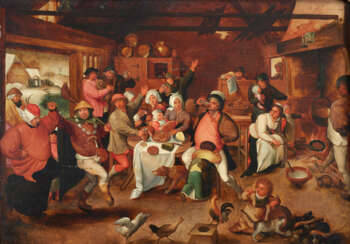

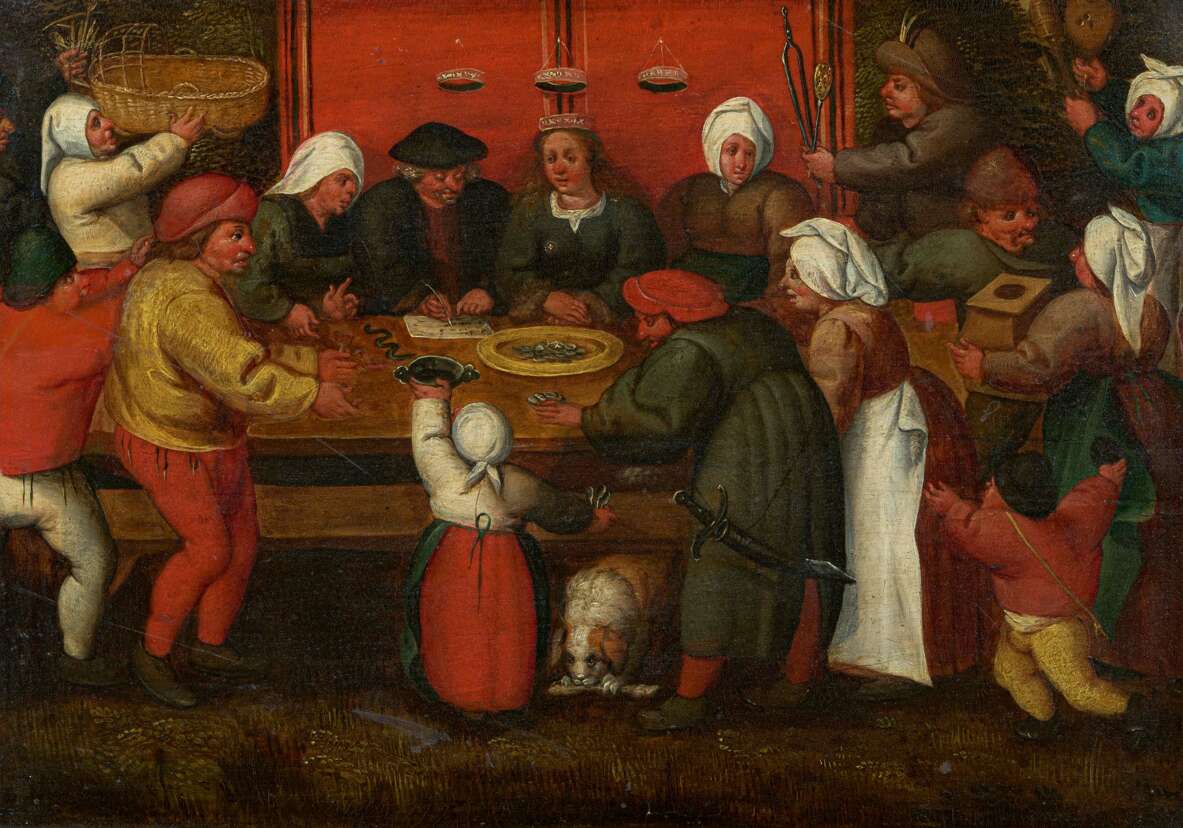
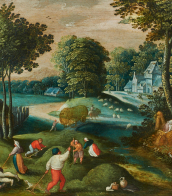
Marten van Cleve the Elder was a Flemish painter and draftsman active in Antwerp between 1551 and 1581. Van Cleve is mainly known for his genre scenes with peasants and landscapes, which show a certain resemblance with the work of Pieter Bruegel the Elder. Marten van Cleve was one of the leading Flemish artists of his generation. His subjects and compositions were an important influence on the work of Pieter Brueghel the Younger and other genre painters of his generation.



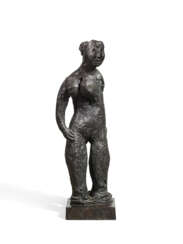

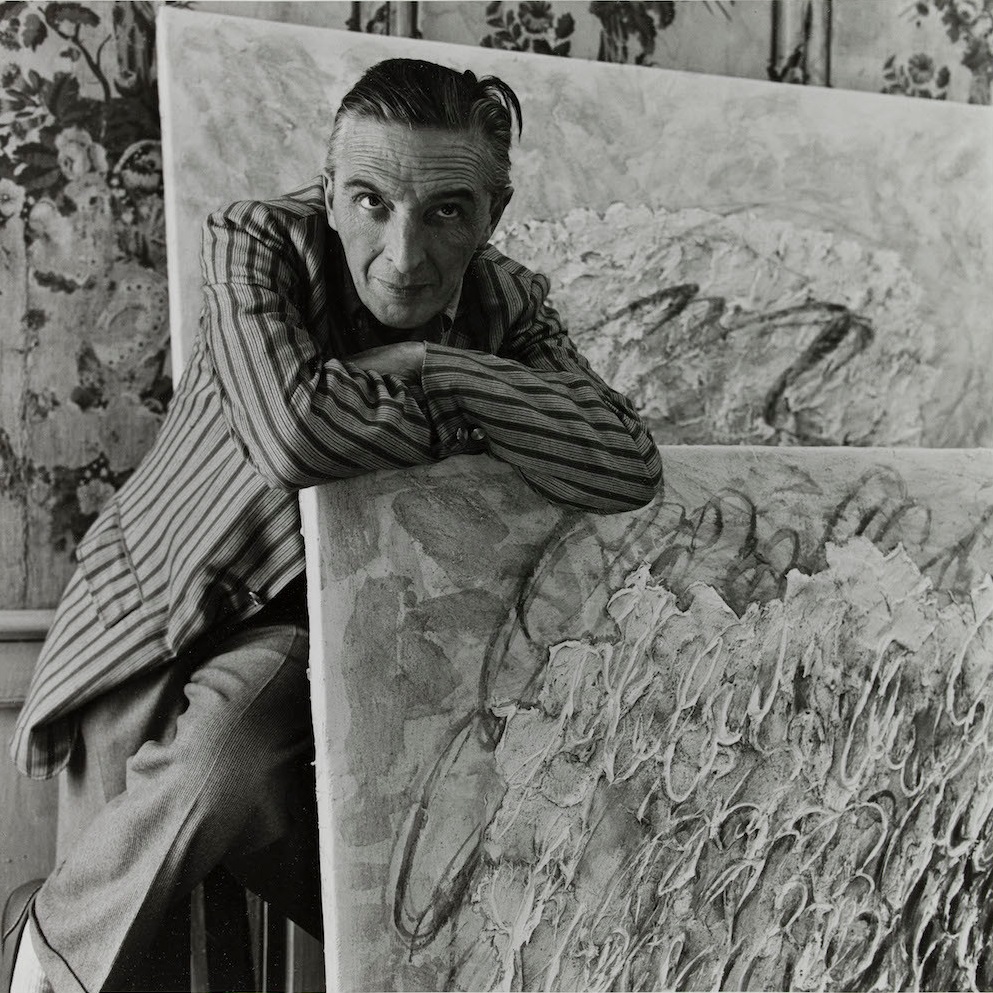
Jean Fautrier was a French painter and sculptor associated with the Art Informel and Tachisme movements. He initially studied architecture before turning to painting in the early 1920s.
Fautrier's early work was influenced by Cubism and Surrealism, but he eventually developed a more abstract style characterized by thick impasto and expressive brushwork. He often used unconventional materials, such as asphalt, sand, and tar, to create textured surfaces that conveyed a sense of materiality.
During World War II, Fautrier was active in the French Resistance and went into hiding to avoid arrest by the Nazis. His experiences during the war had a profound impact on his work, which became darker and more introspective. He began to create what he called "Hostage" paintings, which depicted anonymous faces and figures that were both haunting and vulnerable.
After the war, Fautrier continued to explore themes of violence, trauma, and decay in his art. He created a series of "Otages" (Hostages) sculptures that were made from casts of human limbs and torsos. These works were highly controversial and provoked strong reactions from critics and the public alike.
Fautrier's influence on the development of Art Informel and Tachisme was significant, and he is regarded as one of the key figures of the movement. His work is represented in many major museums and collections around the world, including the Centre Georges Pompidou in Paris and the Museum of Modern Art in New York.



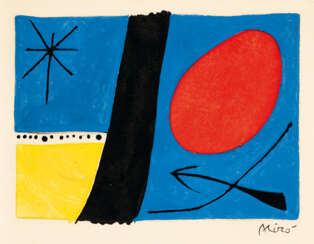

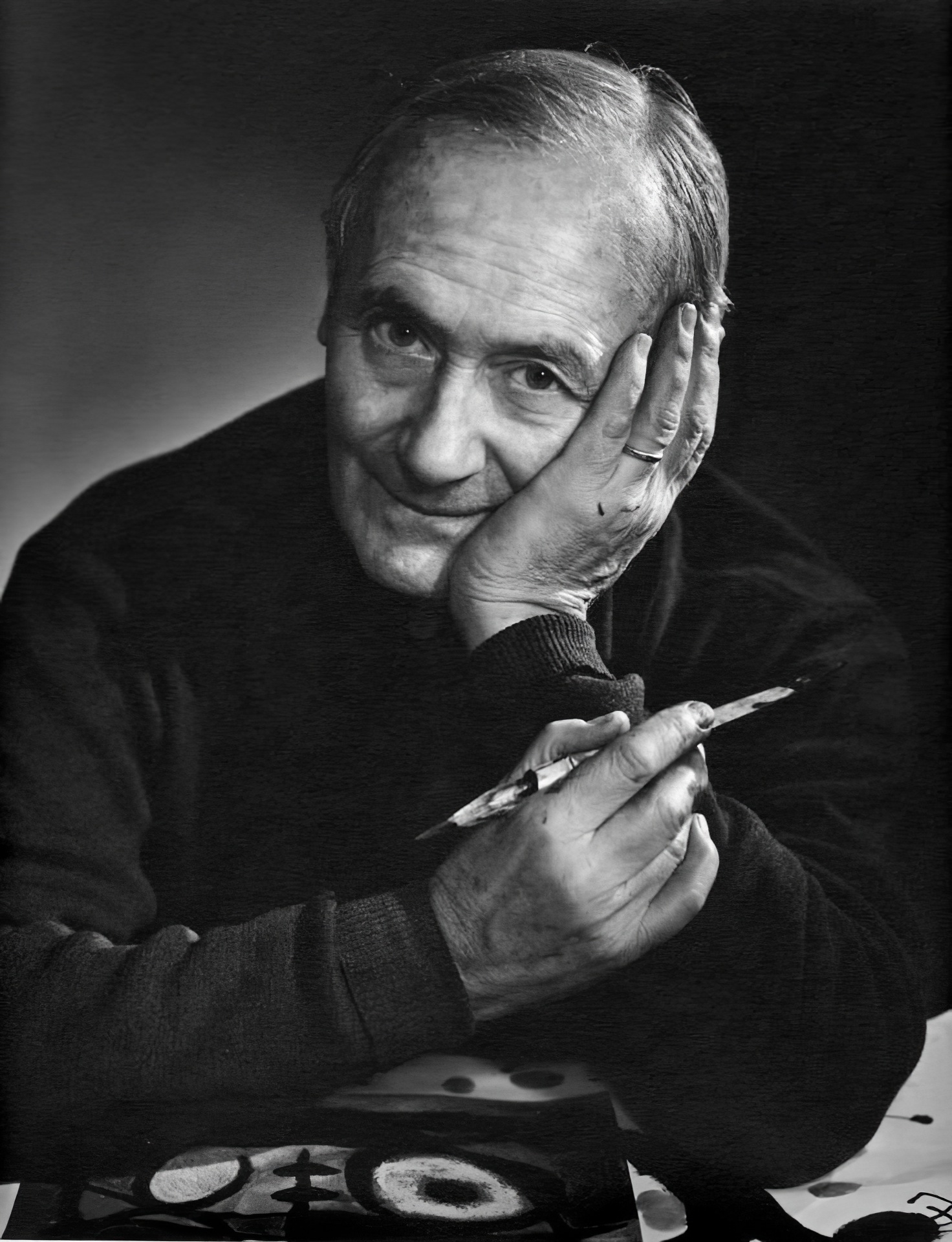
Joan Miró, a celebrated Spanish artist, was a master in painting, sculpture, and ceramics, renowned for his unique style that blurred the lines between Surrealism, Fauvism, and Expressionism. Born in Barcelona to a family of a goldsmith and a watchmaker, Miró grew up immersed in the rich cultural heritage of the Barri Gòtic neighborhood. His artistic journey began with drawing classes at the age of seven and continued at the prestigious La Llotja art academy. Despite an initial venture into the business world, Miró's passion for art prevailed, leading him to abandon his clerical career after a nervous breakdown.
Miró's work is noted for its exploration of the subconscious, often depicting a childlike perspective. This approach was both a critique of traditional painting methods and a means of expressing Catalan pride. His art, challenging to categorize, often featured symbolic elements and nationalistic qualities. One of his notable early works, "The Farm," reflects a transition to a more individual style, blending elements of his Catalan roots with broader artistic influences. This piece, later purchased by Ernest Hemingway, encapsulated the essence of Spain in its imagery.
In Paris, Miró joined the Surrealist movement in 1924, where his work began to reflect the influence of automatism, emphasizing spontaneous, automatic, or subconscious creation. He experimented with various mediums, including painting-poetry and collage, and even ventured into set and costume design for Sergei Diaghilev's Ballets Russes.
During World War II, Miró remained in Spain, and his work from this period, including the 22 Constellations series, reflected an interest in the night, music, and stars. His forms became increasingly abstracted, and he experimented with various techniques, often incorporating primary colors and evocative titles.
Miró's career spanned several decades, during which he continually evolved his style and explored new mediums. His contributions to art were recognized with numerous awards and retrospectives, including a major career retrospective at MoMA in 1941 and the Spanish Gold Medal for Fine Arts in 1980. Among his last major works was a tapestry for the World Trade Center in New York City, created in 1974.
For art collectors and enthusiasts, Joan Miró remains a figure of immense interest, not only for his distinct style and contributions to Surrealism but also for his ability to blend poetic imagery with political commentary. To stay updated on new product sales and auction events related to Joan Miró, sign up for our updates and immerse yourself in the world of this extraordinary artist.
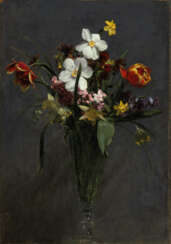

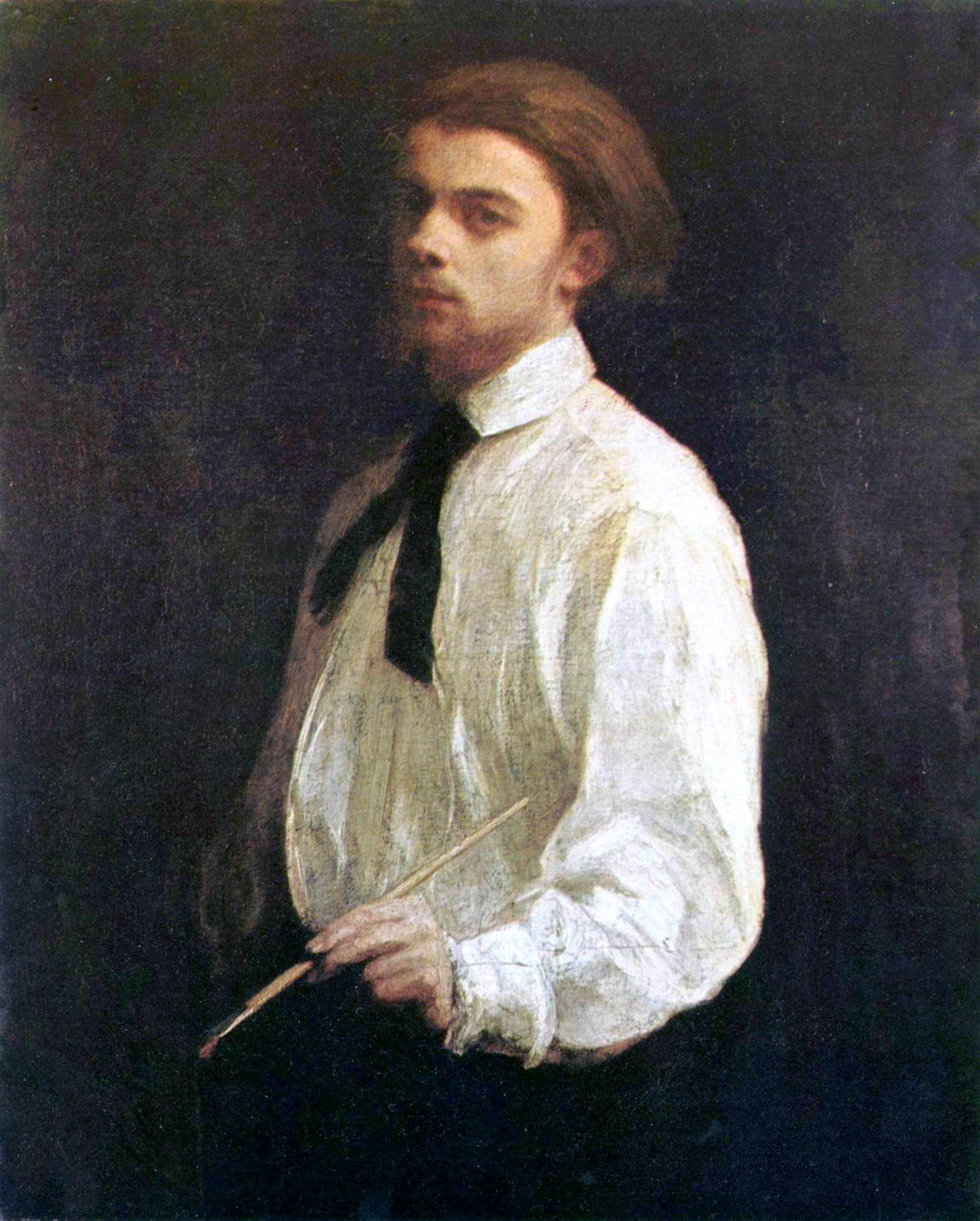
Henri Fantin-Latour was a French painter and lithographer renowned for his exquisite flower paintings and insightful group portraits of Parisian artists and writers. His artistic journey began in Grenoble, where he was born in 1836, but it flourished in Paris, where he moved at a young age to study art. Despite his associations with Impressionists like Édouard Manet and Claude Monet, Fantin-Latour carved his unique path, focusing on still life and portraiture rather than adopting the Impressionist style.
Henri Fantin-Latour's knack for capturing the essence of his subjects is evident in his group portraits, which were not just mere representations but insightful depictions of the artistic and literary circles of his time. His notable works like "A Studio at Les Batignolles" illustrate the camaraderie among artists like Manet, Renoir, and Monet, offering a window into the vibrant Parisian art scene of the 19th century. His still lifes, particularly his flower paintings, are celebrated for their realism and delicate precision, making them a favorite among collectors and art enthusiasts.
In addition to his painting, Henri Fantin-Latour's lithographs, inspired by classical music and imbued with a poetic and symbolic quality, reveal another dimension of his talent, showcasing his ability to transcend the boundaries of realism and delve into the realm of imagination.
For art collectors and experts, Henri Fantin-Latour's works offer a blend of technical mastery and a deep understanding of the interplay between art, music, and literature. His contributions to the art world are remembered and celebrated in museums around the globe, where his works continue to inspire and captivate audiences.
For those interested in exploring more about Henri Fantin-Latour's life and works, visiting exhibitions or keeping abreast of auctions featuring his art can provide valuable insights into his creative genius. To stay updated on related events and opportunities, consider subscribing to updates from art institutions or galleries specializing in 19th-century French art.
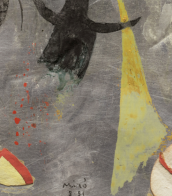


Joan Miró, a celebrated Spanish artist, was a master in painting, sculpture, and ceramics, renowned for his unique style that blurred the lines between Surrealism, Fauvism, and Expressionism. Born in Barcelona to a family of a goldsmith and a watchmaker, Miró grew up immersed in the rich cultural heritage of the Barri Gòtic neighborhood. His artistic journey began with drawing classes at the age of seven and continued at the prestigious La Llotja art academy. Despite an initial venture into the business world, Miró's passion for art prevailed, leading him to abandon his clerical career after a nervous breakdown.
Miró's work is noted for its exploration of the subconscious, often depicting a childlike perspective. This approach was both a critique of traditional painting methods and a means of expressing Catalan pride. His art, challenging to categorize, often featured symbolic elements and nationalistic qualities. One of his notable early works, "The Farm," reflects a transition to a more individual style, blending elements of his Catalan roots with broader artistic influences. This piece, later purchased by Ernest Hemingway, encapsulated the essence of Spain in its imagery.
In Paris, Miró joined the Surrealist movement in 1924, where his work began to reflect the influence of automatism, emphasizing spontaneous, automatic, or subconscious creation. He experimented with various mediums, including painting-poetry and collage, and even ventured into set and costume design for Sergei Diaghilev's Ballets Russes.
During World War II, Miró remained in Spain, and his work from this period, including the 22 Constellations series, reflected an interest in the night, music, and stars. His forms became increasingly abstracted, and he experimented with various techniques, often incorporating primary colors and evocative titles.
Miró's career spanned several decades, during which he continually evolved his style and explored new mediums. His contributions to art were recognized with numerous awards and retrospectives, including a major career retrospective at MoMA in 1941 and the Spanish Gold Medal for Fine Arts in 1980. Among his last major works was a tapestry for the World Trade Center in New York City, created in 1974.
For art collectors and enthusiasts, Joan Miró remains a figure of immense interest, not only for his distinct style and contributions to Surrealism but also for his ability to blend poetic imagery with political commentary. To stay updated on new product sales and auction events related to Joan Miró, sign up for our updates and immerse yourself in the world of this extraordinary artist.
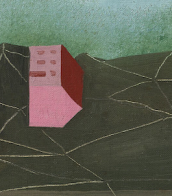
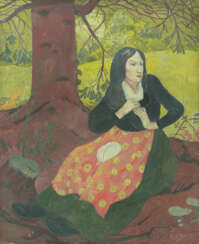

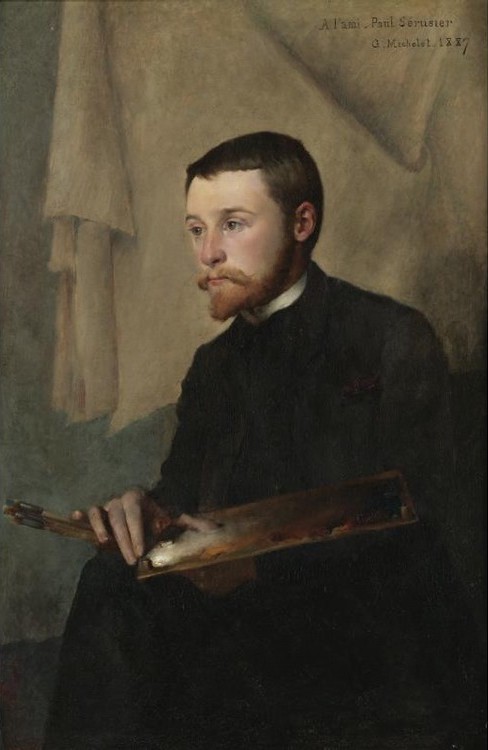
Paul Sérusier was a French Post-Impressionist painter and theorist, notable for his significant contributions to the art movement known as the Nabis. Born in Paris on November 9, 1864, Sérusier's work is characterized by its expressive use of color and pattern, inspired by the techniques of Paul Gauguin. He is best known for his exploration of color, sensation, and abstraction, particularly evident in works like "Le Talisman, the Aven River at the Bois d'Amour" (1888). This painting marks a departure from the Impressionists' more faithful representation of observed reality, focusing instead on translating sensations onto the canvas with vibrant brushstrokes and an emphasis on emotional expression over visual accuracy.
Sérusier's paintings often feature the landscapes and people of Brittany, notable for their contemplative mood achieved through firm contours and blocks of unmodulated color. His style evolved under the influence of Synthetism and Cloisonnism, favoring flattened forms and large swathes of color, as seen in "Farmhouse at le Pouldu" (1890). This approach reflects a decorative organization of objects, emphasizing the craft and execution of the scene.
Some of Sérusier's notable works are housed in prestigious museums such as the Musée d'Orsay in Paris, including "Portrait of Paul Ranson in Nabi Costume" (1890) and "Landscape" (1912). His legacy extends beyond his own artworks; he was a key figure in the formation of the Nabis movement, and his theoretical contributions have had a lasting impact on the art world.
For collectors and experts in art and antiques, Sérusier's work represents a unique blend of post-impressionist and symbolist styles, making his pieces highly valued both for their historical significance and their aesthetic appeal. To stay updated on new product sales and auction events related to Paul Sérusier, sign up for our updates. This subscription service is exclusively focused on providing information related to Sérusier's work, ensuring you remain informed about opportunities to acquire pieces by this influential artist.
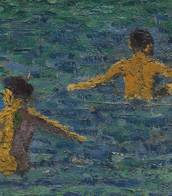

.jpg)
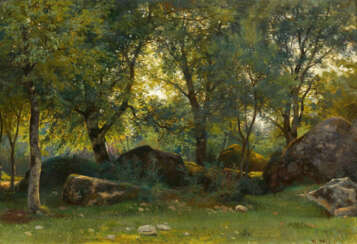
Ivan Ivanovich Shishkin (russian: Ива́н Ива́нович Ши́шкин), a Russian Artist, stood out in the 19th century for his mastery in landscape painting, immortalizing Russia's vast forests and nature through his precise and detailed work. His specialization in painting, coupled with a deep appreciation for his homeland's natural beauty, positioned him as a pivotal figure in Russian culture and art.
Shishkin's technique, characterized by its attention to detail and use of light, brought the Russian wilderness to life on canvas. His works, such as "Morning in a Pine Forest" and "The Rye Field," are celebrated for their realism and ability to evoke the spirit of Russia's landscapes. These paintings, held in prestigious museums like the Tretyakov Gallery in Moscow, serve not only as artistic achievements but also as cultural artifacts that offer insight into the Russian soul.
For art collectors and experts, Shishkin's oeuvre represents an intersection of artistic mastery and cultural heritage. His contributions to the world of painting continue to inspire and captivate audiences, making his works highly sought after in the realms of art collection and preservation.
We invite enthusiasts and connoisseurs to sign up for updates on new product sales and auction events related to Ivan Ivanovich Shishkin. This subscription is your gateway to owning a piece of Russian art history and staying informed about opportunities to acquire works by this illustrious painter.


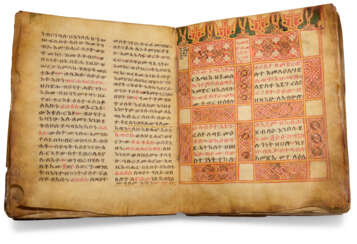


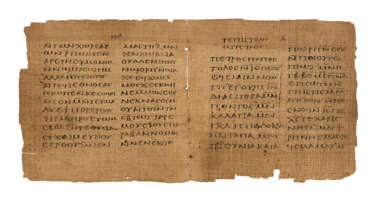

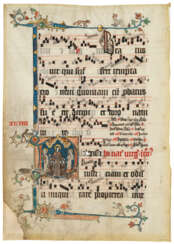

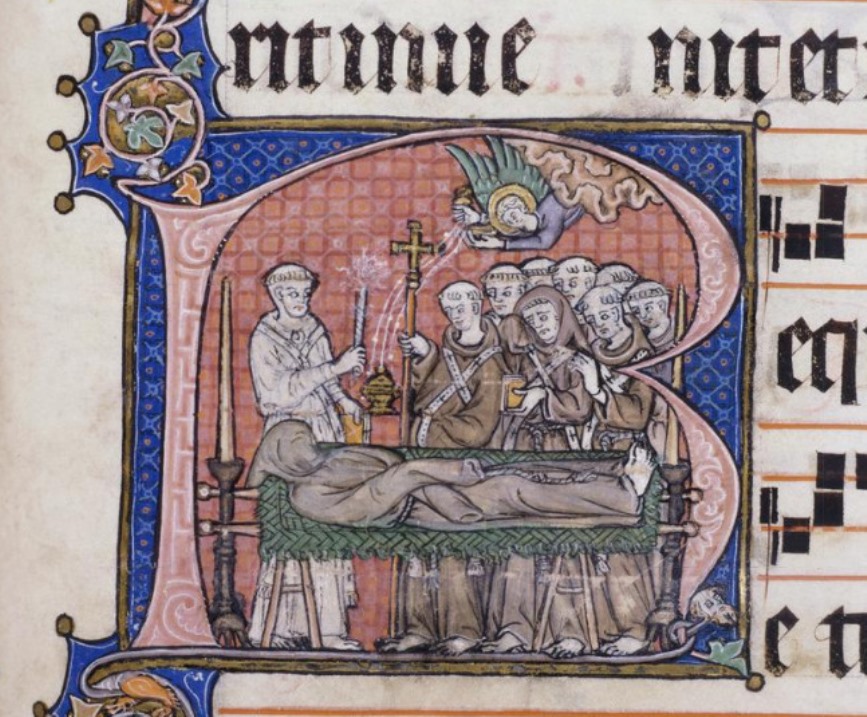
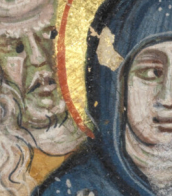
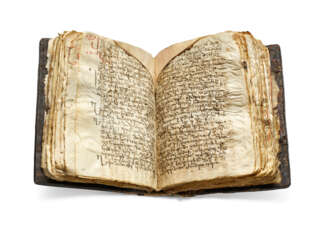
Johannes von Valkenburg was a Franciscan monk of the Friars Minor in Cologne, a calligrapher and illustrator.
He is known for having written, decorated and illustrated a manuscript for the Franciscan monastery in Cologne at the end of the 13th century and for having made two copies of it. One is in the Archdiocesan Diocesan and Cathedral Library in Cologne, the other in the University and State Library in Bonn. On the title pages of these rarities is an inscription indicating Valkenburg's authorship.


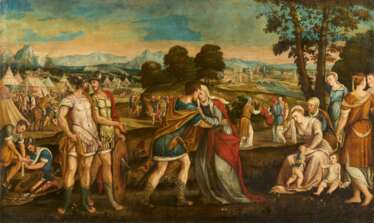

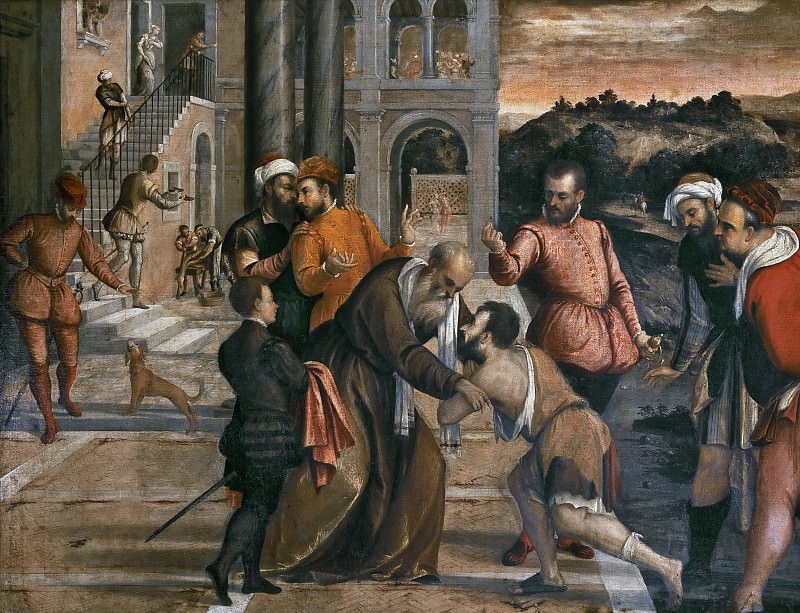
Antonio Negretti was a 16th-century Italian painter, also known as Antonio Palma.
Antonio Negretti was the father of the Venetian painter and printmaker Jacopo Palma the Younger.
Negretti produced paintings of historical and religious content.
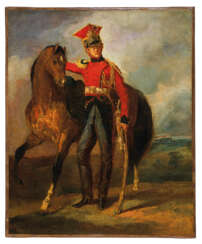

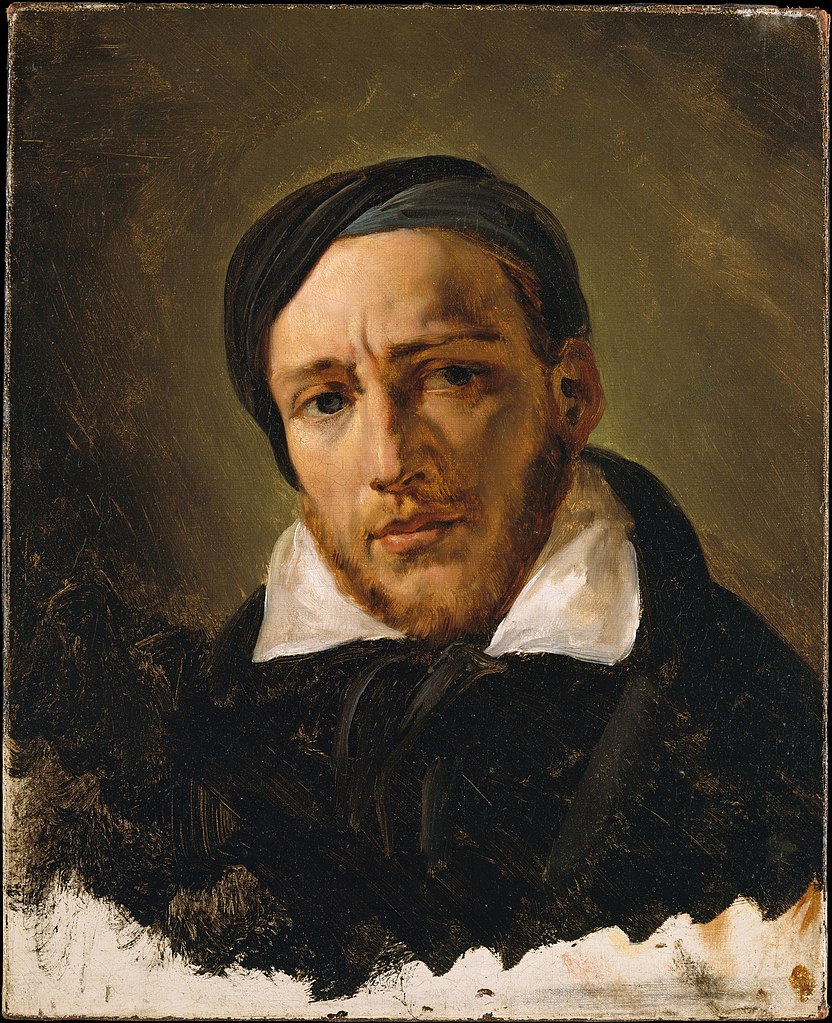
Jean-Louis André Théodore Géricault was a French painter and lithographer, celebrated for his pivotal role in the Romantic movement. Born in Rouen, France, in 1791, and educated among the elite in Paris, Géricault developed a profound connection with art from a young age, influenced by his training under notable figures like Carle Vernet and Pierre-Narcisse Guérin. This foundation set him on a path that diverged significantly from the classical traditions of his time.
Géricault's artistry is best known for its vibrant energy and emotional intensity, characteristics that marked a departure from the Neoclassical style predominant in the early 19th century. His most famous work, "The Raft of the Medusa" (1818–19), is a monumental canvas that dramatizes the tragic aftermath of the French shipwreck, Méduse, capturing the public and critical imagination for its raw portrayal of human despair and resilience. This painting not only criticized the French government but also showcased Géricault's masterful handling of drama, becoming an iconic symbol of Romanticism.
Throughout his career, Géricault remained deeply engaged with contemporary issues and the human condition, exploring themes of mental illness, social injustice, and the raw power of nature versus human vulnerability. His series of portraits depicting patients with mental illnesses, created towards the end of his life, highlighted his empathy and innovative approach to capturing human emotion and psychological depth.
Géricault's fascination with the dynamic forms and emotional potential of horses also led to some of the most stirring equestrian art of his time, reflecting his personal passion for horseback riding and his exceptional understanding of equine anatomy. This interest is evident in works like "A Horse Frightened by Lightning", showcasing his ability to capture motion and emotion in both human and animal forms.
Despite his premature death at the age of 32, Géricault's legacy endures, with his works residing in prestigious institutions like the Louvre in Paris. His artistic vision and dedication to portraying the realities and turbulences of his era have cemented his status as a pioneer of Romanticism, influencing subsequent generations of artists, including his contemporary and friend, Eugène Delacroix.
For collectors and experts in art and antiques, Géricault's oeuvre offers a profound insight into the Romantic spirit, embodying the tumult, passion, and innovation of an era on the cusp of modernity. His works continue to inspire and captivate audiences, reminding us of the power of art to provoke thought and evoke deep emotional responses.
To stay updated on exhibitions and auction events featuring Géricault's works, sign up for updates. This subscription will keep you informed on new discoveries and sales related to this influential artist, ensuring you never miss an opportunity to engage with the legacy of Jean-Louis André Théodore Géricault.
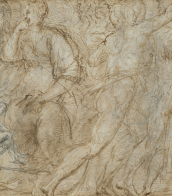
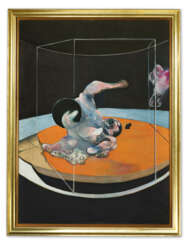

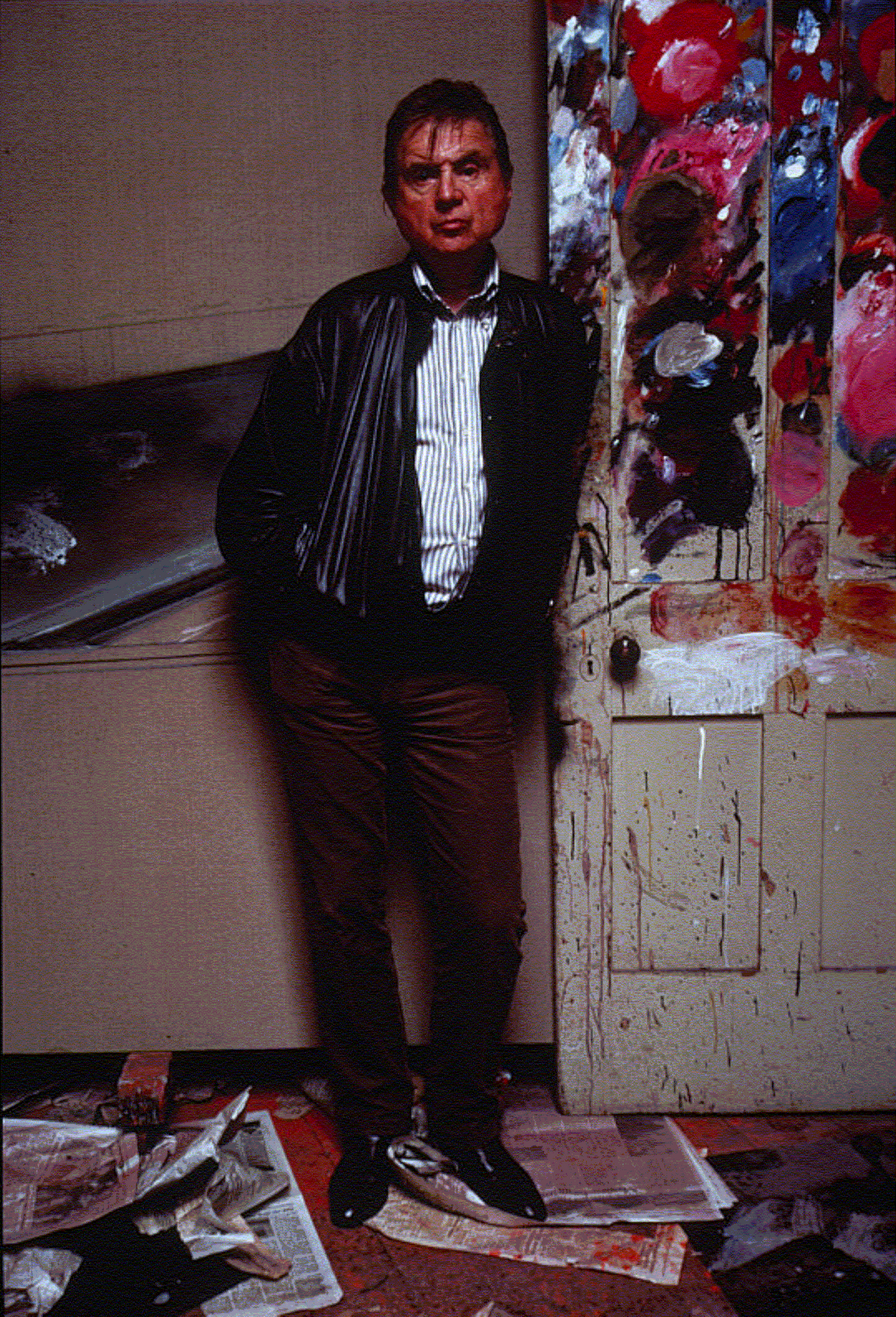
Francis Bacon was an Irish-born British figurative painter known for his raw, unsettling imagery. Focusing on the human form, his subjects included crucifixions, portraits of popes, self-portraits, and portraits of close friends, with abstracted figures sometimes isolated in geometrical structures. Rejecting various classifications of his work, Bacon said he strove to render "the brutality of fact." He built up a reputation as one of the giants of contemporary art with his unique style.
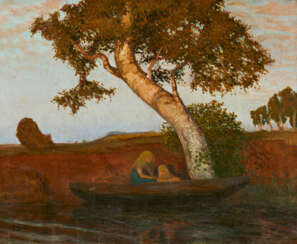

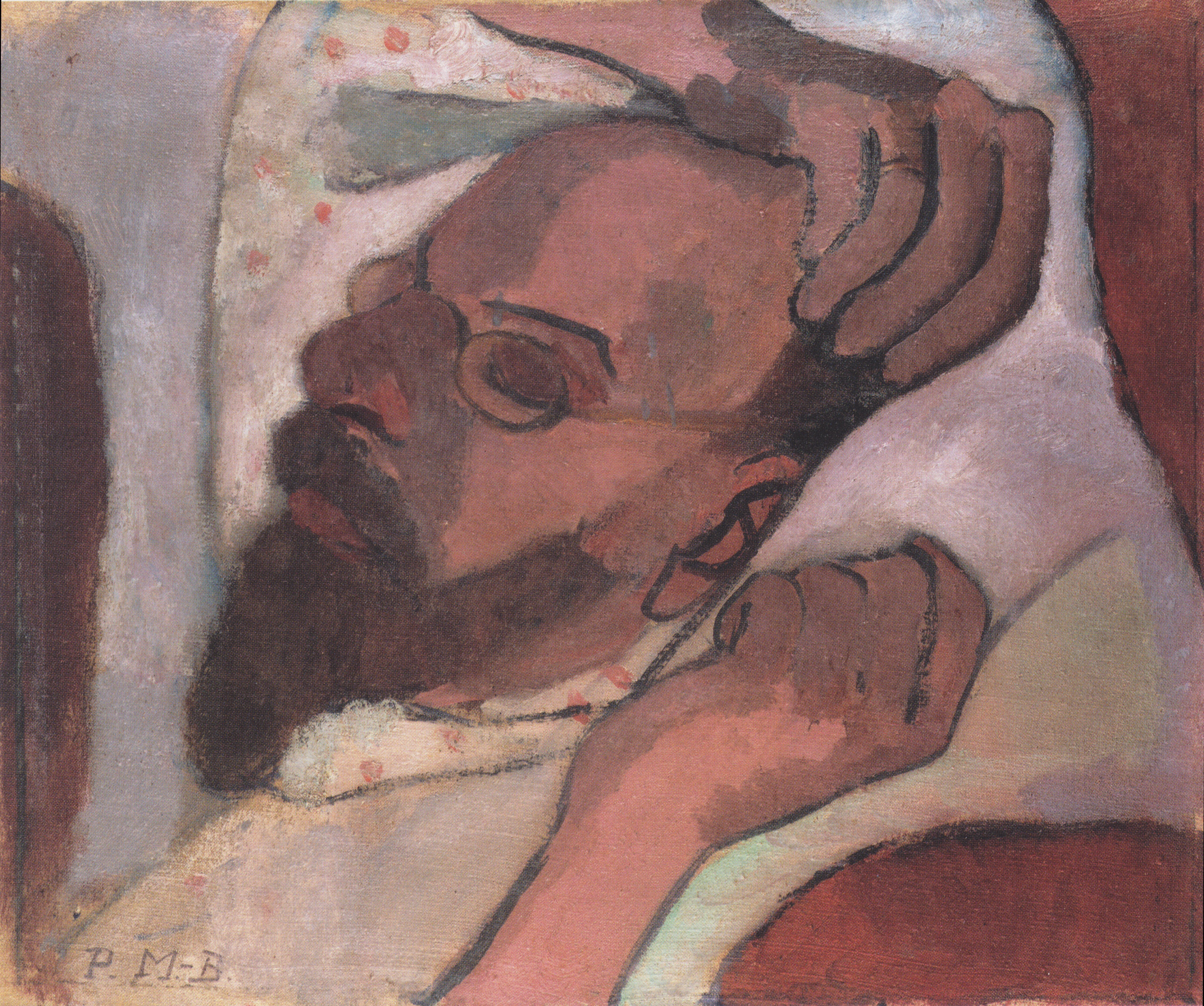
Friedrich Wilhelm Otto Modersohn was a German painter of the late 19th and first half of the 20th centuries. He is known as a landscape painter, a representative of the Barbizon School.
Otto Modersohn produced Barbizonian-style landscapes early in his career, but from about 1890 his style became more expressionist, with an emphasis on his choice of colors. The death of his second wife influenced his style: the colors became darker and the images more stark. Modersohn was one of the founders of the Worpswede artists' colony. A large collection of his works is kept in the Modersohn Museum in Fischerhude, and a street in Berlin is also named after him.
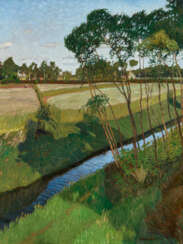

Friedrich Wilhelm Otto Modersohn was a German painter of the late 19th and first half of the 20th centuries. He is known as a landscape painter, a representative of the Barbizon School.
Otto Modersohn produced Barbizonian-style landscapes early in his career, but from about 1890 his style became more expressionist, with an emphasis on his choice of colors. The death of his second wife influenced his style: the colors became darker and the images more stark. Modersohn was one of the founders of the Worpswede artists' colony. A large collection of his works is kept in the Modersohn Museum in Fischerhude, and a street in Berlin is also named after him.
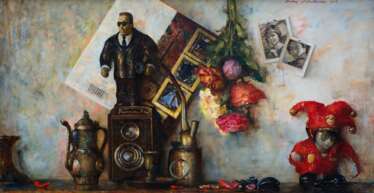


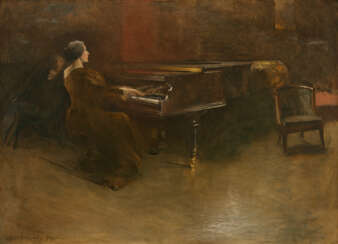

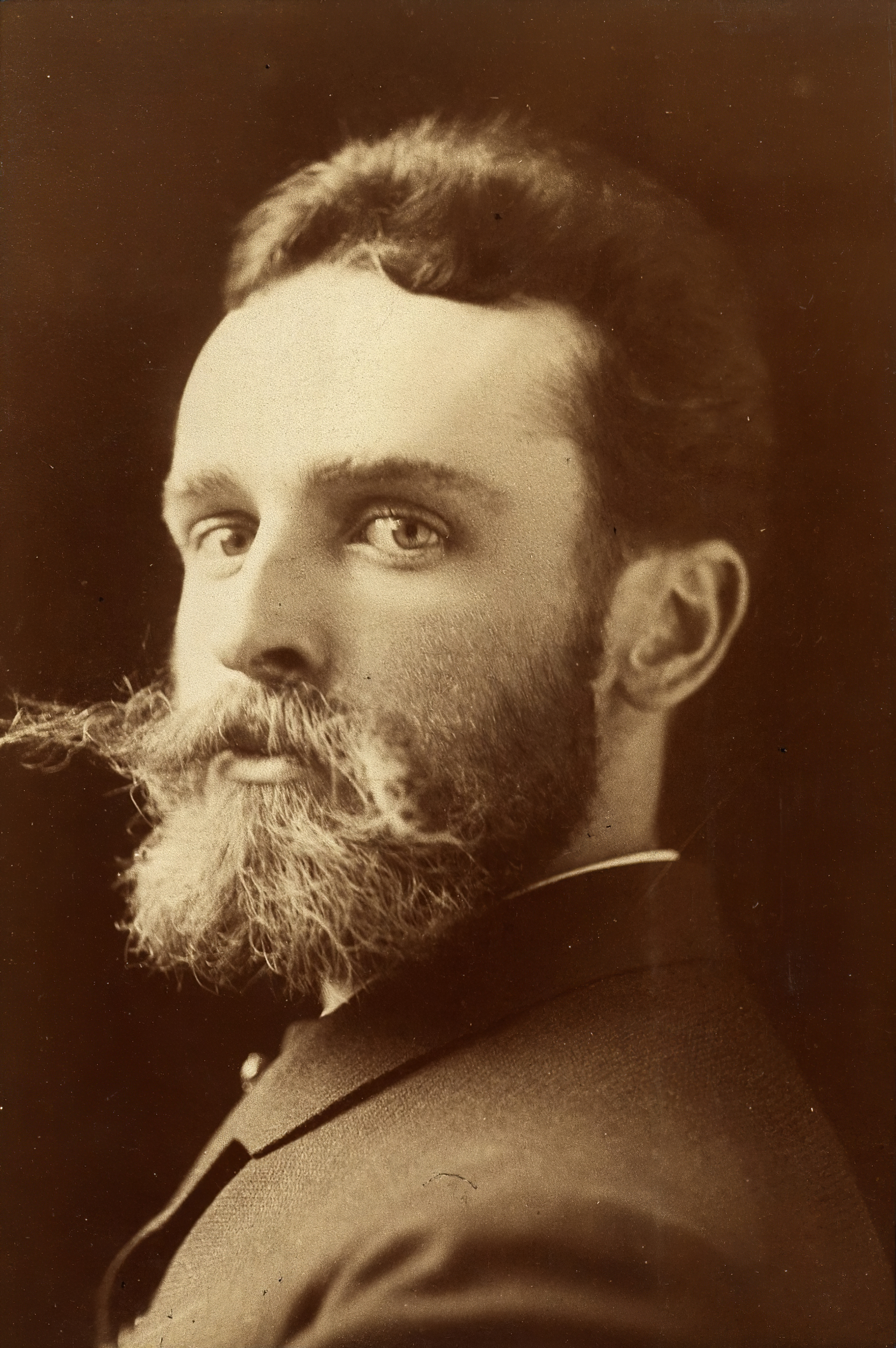
John White Alexander was an American portrait, figure, and decorative painter and illustrator.
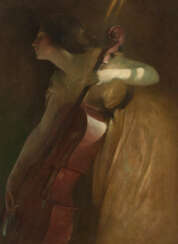

John White Alexander was an American portrait, figure, and decorative painter and illustrator.